ADHD Support

Why Knowing Your Child's Type of ADD Matters

Knowing your particular type of ADD is very important.  Even though the 7 types have some symptoms in common, each type also has its own set of symptoms and specific treatments.   One size does not fit all.  What works for one person with ADD may ot work for another — or could even make symptoms worse.
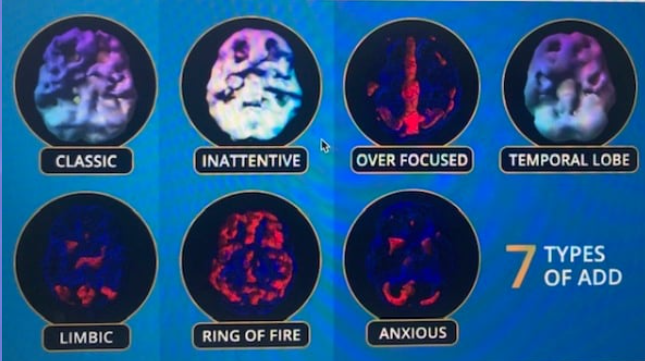
CLASSIC ADD – Inattentive, easily distracted, disorganized, impulsive, poor follow through, trouble listening, poor attention to detail, forgetfulness, , restlessness, fidgety, difficulty waiting turn, driven by a motor, noisy, talk excessively, interrupts others.
 
INATTENTIVE ADD – Trouble focusing,  easily distracted, disorganized, poor follow through, poor time management, loses things, poor attention to detail, forgetfulness, daydreaming, bored, unmotivated, tired sluggish, spacey.
 
OVERFOCUSED ADD – Core ADD symptoms, excessive worry, stuck in loops of negative thoughs, oppositional argumentative, compulsive behaviors, difficulty seeing options, hold grudges, difficulty shifting attention, hold opinion not listen to others, things done a certain way, may or may not be hyperactive.

Knowing your particular type of ADD is very important. Even though the 7 types have some symptoms in common, each type also has its own set of symptoms and specific treatments. One size does not fit all. What works for one person with ADD may ot work for another -- or could even make symptoms worse.

More Types of ADD/ADHD

TEMPORAL LOBE ADD – Core symptoms of ADD, memory problems, auditory processing issues, irritability, quick temper, spaciness or confusion, periods of panic and fear, seeing shadows or objects, deja vu, mild paranoia, headaches and abdominal pain, history of head injury, dark thoughts, possible learning disabilities, may or may not be hyperactive.
 
LIMBIC ADD – Core symptoms of ADD, moodiness, negativity, low energy, irratable, social isolation, hopelessness, helplessness, feelings of guilt, loss of interest, sleep changes, chronic low self esteem, may or may not be hyperactive.
 
RING OF FIRE ADD – Core symptoms of ADD, sensitive to noise, light, clothes or touch.  (Different than ‘highly sensitive children’, cyclilc mood changes, inflexible rigid thinking, poositional, demanding to have their own way, perios of mean, nasty, or insensitive behavior, increased talkativeness, unpredictable behavior, increased inpulsivity, ‘larger than life’ thinking, talks fast, racing thoughts, appears anxious or fearful, irritability, may or may not be hyperactive.
 
ANXIOUS ADD – anxious, nervous, tension, predicting the worst, fear of being judged, freezing during period of anxiety, physical symptoms of anxiety such is stomach ache and head aches.

7 Types of ADD/ADHD

Knowing your particular type of ADD is very important.  Even though the 7 types have some symptoms in common, each type also has its own set of symptoms and specific treatments.   One size does not fit all.  What works for one person with ADD may ot work for another — or could even make symptoms worse.

Classic ADHD

Inattentive, easily distracted, disorganized, impulsive, poor follow through, trouble listening, poor attention to detail, forgetfulness, , restlessness, fidgety, difficulty waiting turn, driven by a motor, noisy, talk excessively, interrupts others.

Inattentive ADHD

Trouble focusing,  easily distracted, disorganized, poor follow through, poor time management, loses things, poor attention to detail, forgetfulness, daydreaming, bored, unmotivated, tired sluggish, spacey.

Overfocused ADHD

Core ADD symptoms, excessive worry, stuck in loops of negative thoughs, oppositional argumentative, compulsive behaviors, difficulty seeing options, hold grudges, difficulty shifting attention, hold opinion not listen to others, things done a certain way, may or may not be hyperactive.

Limbic ADHD

Core symptoms of ADD, moodiness, negativity, low energy, irratable, social isolation, hopelessness, helplessness, feelings of guilt, loss of interest, sleep changes, chronic low self esteem, may or may not be hyperactive.

TEMPORAL LOBE ADD

Core symptoms of ADD, memory problems, auditory processing issues, irritability, quick temper, spaciness or confusion, periods of panic and fear, seeing shadows or objects, deja vu, mild paranoia, headaches and abdominal pain, history of head injury, dark thoughts, possible learning disabilities, may or may not be hyperactive.

Ring of Fire ADHD

Core symptoms of ADD, sensitive to noise, light, clothes or touch.  (Different than ‘highly sensitive children’, cyclilc mood changes, inflexible rigid thinking, poositional, demanding to have their own way, perios of mean, nasty, or insensitive behavior, increased talkativeness, unpredictable behavior, increased inpulsivity, ‘larger than life’ thinking, talks fast, racing thoughts, appears anxious or fearful, irritability, may or may not be hyperactive.

Anxious ADHD

anxious, nervous, tension, predicting the worst, fear of being judged, freezing during period of anxiety, physical symptoms of anxiety such is stomach ache and head aches.

Questions Parents Ask Us

ADHD messes with focus, impulse control, and behavior management. School becomes harder. Home life gets tense. Friendships suffer. Some kids can’t sit still. Some can’t remember instructions. Some do things without thinking first. It shows up differently in every child, but it always makes daily life harder than it should be.


We don’t hand out generic advice. We build individual strategies for your specific child. Coaching. Tutoring. Emotional support. We teach kids how to focus better, organize their stuff, and manage their own reactions. We also teach parents how to support without losing their minds. Real tools for real problems.

Pre-kindergarten through eighth grade. Little children require different assistance than middle school students. We adapt our strategy based on age and developmental stage. What works for a six-year-old may not work for a thirteen-year-old.

Yes. We do complete evaluations that identify your kid’s specific form of ADHD as well as the areas in which they struggle the most. That evaluation influences everything we do next. No speculating. Just provide clear answers that provide actual assistance.

Sometimes. Depends on your plan. Call your insurance company and ask specifically about ADHD assessments, coaching, and tutoring services. If you need paperwork from us to file a claim, we handle that.