Dyslexia & Reading

Dyslexia is a gift not a disability

Dyslexia

At TWL, we understand that dyslexia is not a disability but beautiful gift and talent. Dyslexics must simply be taught differently. We would like to remove the label and teach to these brilliant students in a way that they can reach their potential as the amazingly talented individuals that they are. Typically, dyslexics have very high IQ’s and have gifts in the areas of art, music, athletics, or mechanics.  They are often very highly creative.

Let us help you eliminate poor grades, poor self esteem, sports ineligibility due to low grades, frustration, long nights sitting at the kitchen table doing homework with tears, or tantrums that affect the entire family. 

Every person’s symptoms of dyslexia are unique, however there are many common characteristics they all share. With TWL, each student’s program to correct their dyslexic symptoms, will be specifically tailored to their individual needs to ensure the joy and ease of reading, writing, and spelling. 

Dyslexia – the Common Signs and Symptoms:

Delayed speech and learning of colors and shapes in toddlers. 
• Phonics bases reading programs are terribly difficult or even impossible. 
• Hand writing may be illegible or not ‘make sense’
• Spelling of words correctly is very inconsistent
• Headaches while reading or even nausea or stomach aches. 
• Trying to compete a list of tasks causes anxiety and confusion
• Reading comprehension is very low
• Getting organized feels like chaos
• May even be dual diagnosed as Dyslexia and ADHD
• Learning site/high frequency words in 1st grade was nearly impossible


How we see the written word

There was once an old lady 

whose dog had been asleep for many many years, 
and she had a very beautiful daughter.
When she grew up she was married to a prince 
in a very distant land.

Helping Dyslexic Children Find Their Way

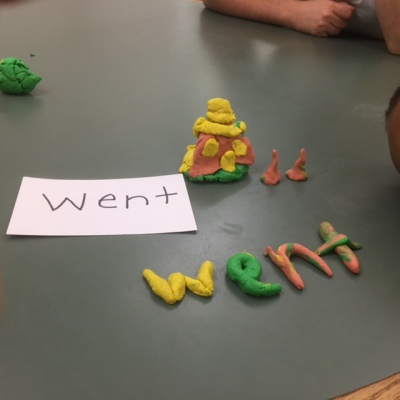
At Teach with Love, we’ve watched too many bright Childrens get taught the wrong way. Traditional schools compel dyslexic children to sit still and practice phonics until everyone is frustrated. It’s like teaching a fish to climb a tree. These youngsters learn through doing. By touching. By moving around while they think. We bring in colors to mark different sounds. We let them walk while spelling. We turn words into stories that they can picture. Some Childrens need to build words with blocks. Others need to draw them. Whatever clicks for your child, we run with it. Because here’s what we know: these Childrens were never slow or stupid. They were trapped in classrooms that did not recognize how they learned. When the light turns on, and they realize that the issue was not them, true learning begins.

Every Child Sets Their Own Pace

No two children move at the same speed. It’s ok if your child takes a little longer. We care that they actually understand. Real learning happens when pressure comes off, not when we rush through workbooks.

Working With Their Strengths

Dyslexic Childrens are the ones who notice everything. Who comes up with wild solutions that actually work? Who sees how all the pieces connect. We use that. If your child thinks in pictures, we teach through pictures. If they’re builders, we build words together.

Fixing the Hurt, Not Just the Reading

A child who’s been told they’re lazy or slow for years will, affect their self esteem. It shows up in slumped shoulders and “I can’t” before they even try. Half our job is proving they can. The reading improves when the confidence comes back. You can’t have one without the other.

Questions Parents Ask Us

The brain processes letters and sounds in a different order. Words swim on the page. Sounds do not correspond to letters as instructors claim they should. However, these same minds frequently thrive in pattern recognition, creative thinking, and problem solving. They require education that suits with their talents.

Red flags: Can’t rhyme. Hates reading out loud. Spells everything wrong even after studying. Takes three hours to write one paragraph. Avoids anything involving books. Smart kid but failing grades. Trust your gut and get them tested.

Nope. And that’s fine. Dyslexia is how their brain works. We teach them to read and write using methods built for dyslexic minds. They learn. They succeed. They keep their unique way of thinking.

First, we map out how dyslexia affects your particular child. Then we use hands-on, visual, and sound-based teaching that dyslexic brains can grab onto. Plus, we repair the damage from years of feeling dumb. Skills and confidence grow together.

Without question. Given proper tools and teaching, dyslexic students thrive. They become doctors, designers and CEOs. Richard Branson has dyslexia. So does Steven Spielberg. Your child can absolutely make it.