MicroSchool
School Reimagined for Your Child
At Teach with Love, we threw out the rulebook on what school has to look like. Our MicroSchool runs differently. Some Childrens are gifted and bored out of their minds in regular classrooms. Some have special needs that get ignored. Some just learn in ways that don’t fit the standard mold. We built this place for all of them. Every child here gets an education shaped around who they actually are. Academic growth happens. But so does confidence, creativity, and genuine joy in learning.
Learning Plans Built for One
We write your plan based on where they are right now. Strong in math? We push further. Struggling with writing? We slow down and fill the gaps. Everything adjusts to fit your Childrens.
Small Groups That Feel Like Family
We keep classes tiny on purpose. Six to eight Children max. Your child isn’t a face in the crowd. Teachers know their gifts, strengths, struggles, and their victories. We build family like relationships. Real support happens.
Social & Emotional Learning (SEL)
Reading and math matter. But so does learning to manage emotions. Making friends. Thinking creatively. Solving problems nobody handed them. We teach it all because life demands it all-executive function.
Why Our MicroSchool Works
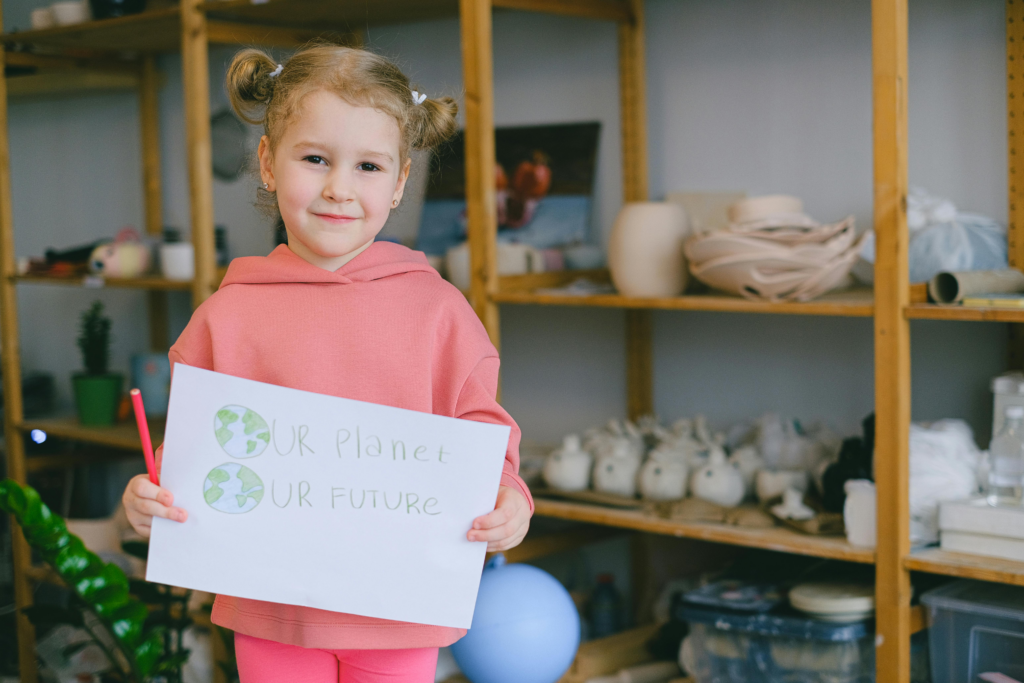
Traditional schools were built for a different time. Rows of desks. Same lesson for thirty Childrens. Move on, whether everyone gets it or not. At Teach with Love’s MicroSchool, we scrapped all that. Your child learns at their own speed. Fast in some areas, slower in others. That’s normal and we plan for it. Teachers adjust daily based on what each Children needs that day. Bad night’s sleep? We adapt. Breakthrough moment? We run with it. This isn’t mass production education. It’s crafted learning that responds to the real child sitting in front of us.
Education That Actually Fits
We watch how your child learns best. Auditory? Visual? Kinesthetic? Need to move while thinking? We build lessons around that. No child fails here because we refuse to teach them wrong.
Attention That Changes Everything
In tiny classes, nobody hides. Nobody gets left behind. Teachers catch struggles early. They celebrate wins immediately. Your child feels seen and heard every single day.
Learning for Real Life
We teach the basics. But we also teach Childrens how to think, question, create, and connect with others. School should prepare them for life, not just tests. That’s why we incorporate our proprietary lifeskills program into curriculum.
Questions Parents Ask Us
What is a MicroSchool, and how is it different from traditional schools?
Consider it as a school reduced to human size. Instead of 25-30 pupils in every class, we have 8-10. Instead of everyone studying the same thing in the same manner, each youngster has their own path. Teachers know each child well. Lessons are tailored to each student’s requirements. Traditional schools are unable to do this. Too many children, too many regulations. We keep small on purpose so that every child receives what they require.
What age groups do you accept in your MicroSchool?
Pre-K through eighth grade. Little ones get different support than middle schoolers. We know that. Our programs shift based on developmental stages. A five-year-old needs play-based learning. A thirteen-year-old needs independence and challenge. We provide both.
How are students' learning needs assessed in the MicroSchool?
We start by talking with you. What do you see at home? Then we observe your child. How do they approach problems? Where do they shine? Where do they struggle? We run academic assessments, but we also watch how they interact, how they handle frustration, what makes them light up. Teachers, specialists, and parents all share observations. From all that, we build their personal learning plan.
Are your classes available online or in-person?
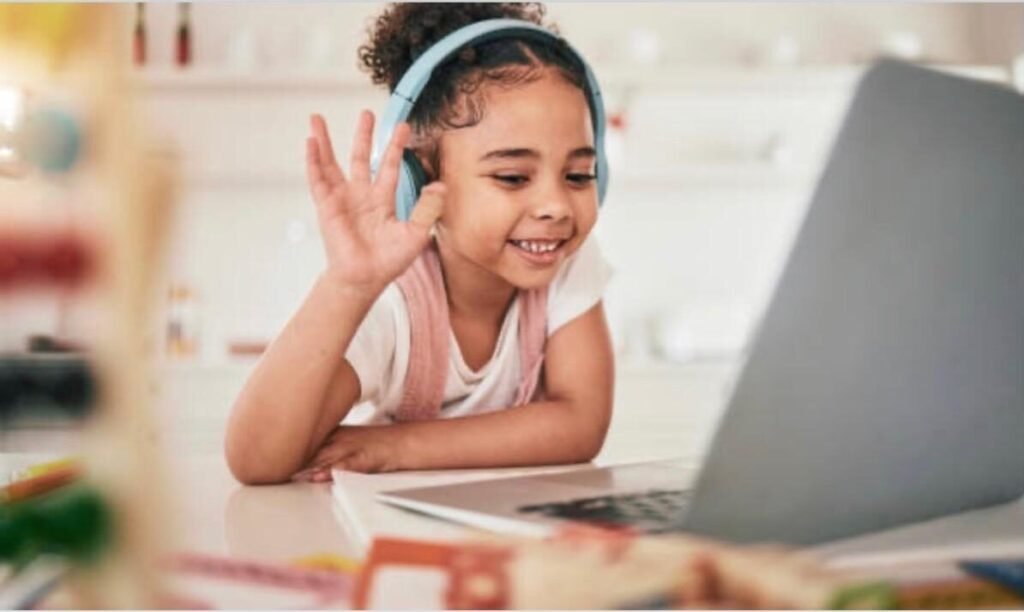
Both. Some families need in-person. Some need online. Some switch between them. We make it work. Online kids aren’t just watching videos. They’re actively engaged with teachers and classmates. Same personalized attention, just through a screen.
What is the student-to-teacher ratio in the MicroSchool?
Never more than 8-10 students per teacher. Usually less. This isn’t about saving money by packing kids in. It’s about giving each child enough attention to actually make a difference. In groups this small, teachers know if your child understood today’s lesson or needs more time. They notice mood changes. They catch problems early. That’s impossible with 30 kids.